
Plantations
Wilmar is one of the world's largest oil palm plantation owners with a total planted area of 234,334 hectares
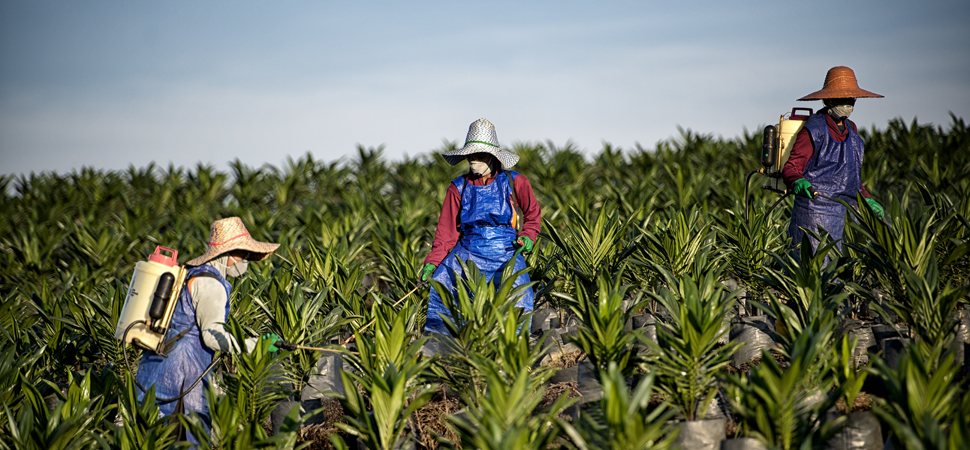
Our Oil Palm Plantation & Milling
Wilmar is one of the world’s largest oil palm plantation owners with a total planted area of 234,334 hectares (ha) as at 31 December 2025, of which about 66% is in Indonesia, 25% in East Malaysia and 9% in Africa. In Indonesia, our plantations are located in Sumatra, West Kalimantan and Central Kalimantan (southern region) while in Malaysia, they are located in the states of Sabah and Sarawak.
Through joint ventures, we own plantations in Uganda and West Africa of about 58,000 ha. We also directly manage 36,597 ha under smallholder schemes in Indonesia and Africa and 189,806 ha under smallholders schemes through associates in Africa. We are committed to purchasing all the fruits produced by the small landholders’ plantations.
We have a strong team of managers and staff who are devoted to the common objective of achieving the highest standards for our plantations. We adopt best management practices including good field and harvesting standards and timely application of fertilisers to optimise crop yields.
Apart from plantations, Wilmar also owns palm oil mills to process fruits from our own and surrounding plantations. The key products of oil palm cultivation and milling are crude palm oil and palm kernel.
Sustainability
In ensuring that our plantations and mills operate in an environmentally and socially responsible manner, we are guided by our No Deforestation, No Peat, No Exploitation Policy that, applies to our own operations as well as all third-party suppliers. Concurrently, we continue to pursue the Roundtable on Sustainable Palm Oil certification standard as a core element of our sustainability strategy for our upstream operations.
Fertiliser
Wilmar’s fertiliser operations and markets are located in Indonesia and Malaysia. We are one of the largest fertiliser players in Indonesia, with 1.2 million MT per annum production capacity dedicated to nitrogen, phosphorus and potassium (NPK) compound fertilisers. We have a further 100,000 MT capacity in Sabah to complement the Group’s activities in East Malaysia. We also engage in the trading and distribution of various straight fertilisers and agrochemicals, making us a one-stop supplier for agriculture inputs.
The fertiliser business has been geared towards the oil palm sector, in line with one of Wilmar’s core businesses. The remarkable growth in new planted acreages in the past decade has resulted in rising demand for fertilisers, thereby leading to the expansion of the fertiliser business unit. Customers for the fertiliser products are also our suppliers of fresh fruit bunches, crude palm oil and palm kernel, thus we have been able to tap this captive market and minimise credit risk.
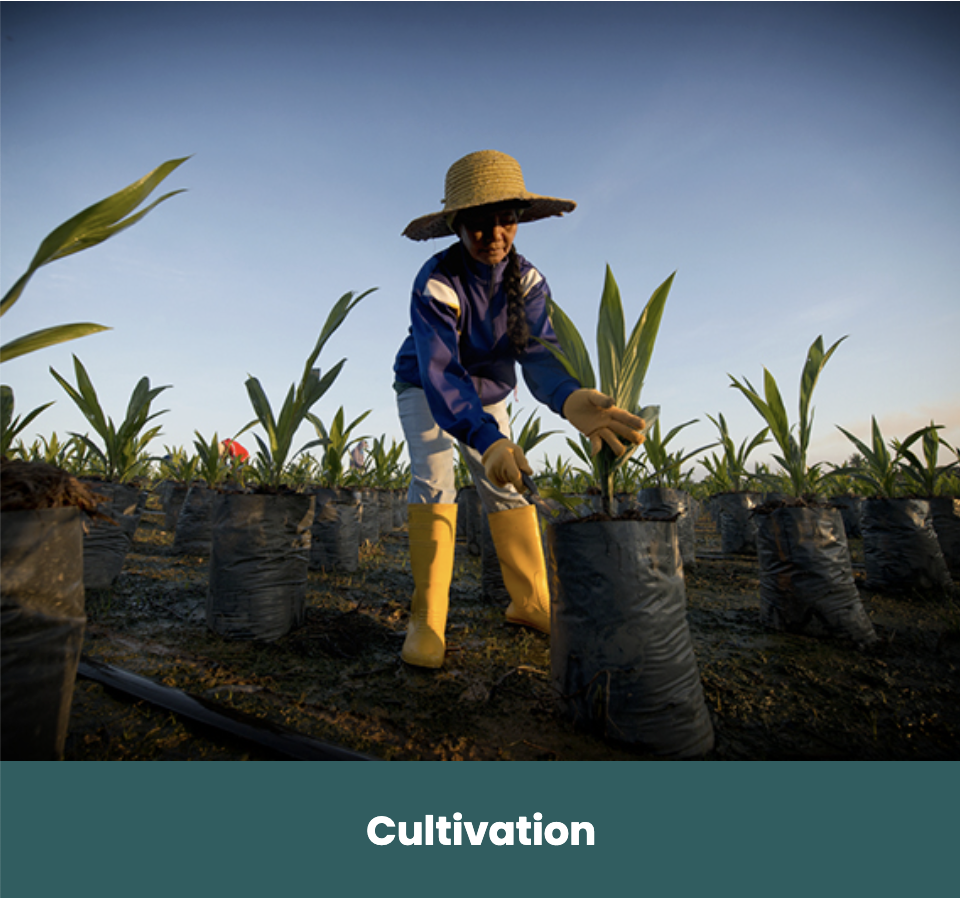
Cultivation
Germinated seeds are planted and the seedlings spend about a year in the nursery before being transferred to the fields. Here, the young palms are planted about nine metres apart resulting in 128 to 140 trees per hectare.
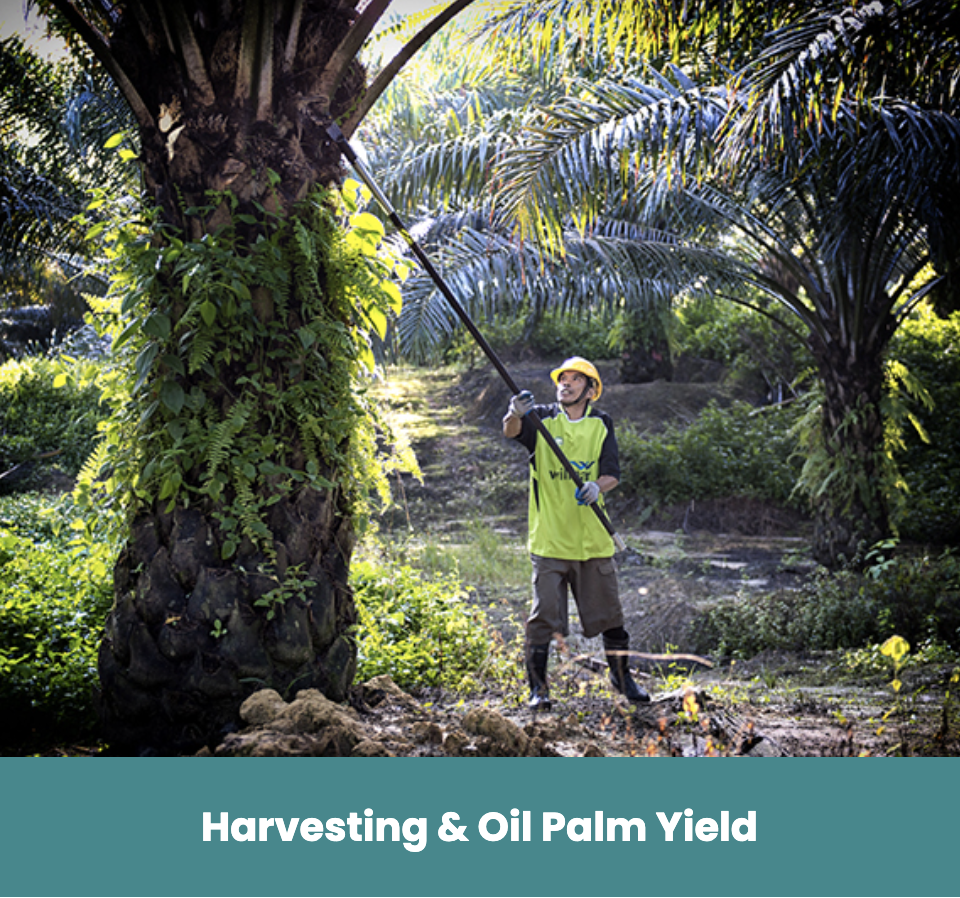
Harvesting & Oil Palm Yield
Oil palms generally begin to produce fruits 30 months after being planted in the fields with commercial harvest commencing six months later. However, the yield of an oil palm is relatively low at this stage. As the oil palm continues to mature, its yield increases and reaches peak production in years seven to 18 before gradually decreasing thereafter. The typical commercial lifespan of an oil palm is approximately 25 years.
Fully mature oil palms produce 18 to 30 metric tonnes of fresh fruit bunches (FFB) per hectare. The yield depends on a variety of factors, including age, seed quality, soil and climatic conditions, quality of plantation management and the timely harvesting and processing of FFB.
The ripeness of FFB harvested is critical in maximising the quality and quantity of palm oil extracted. Harvested fruits must be processed within 24 hours to minimise the build-up of fatty acids.
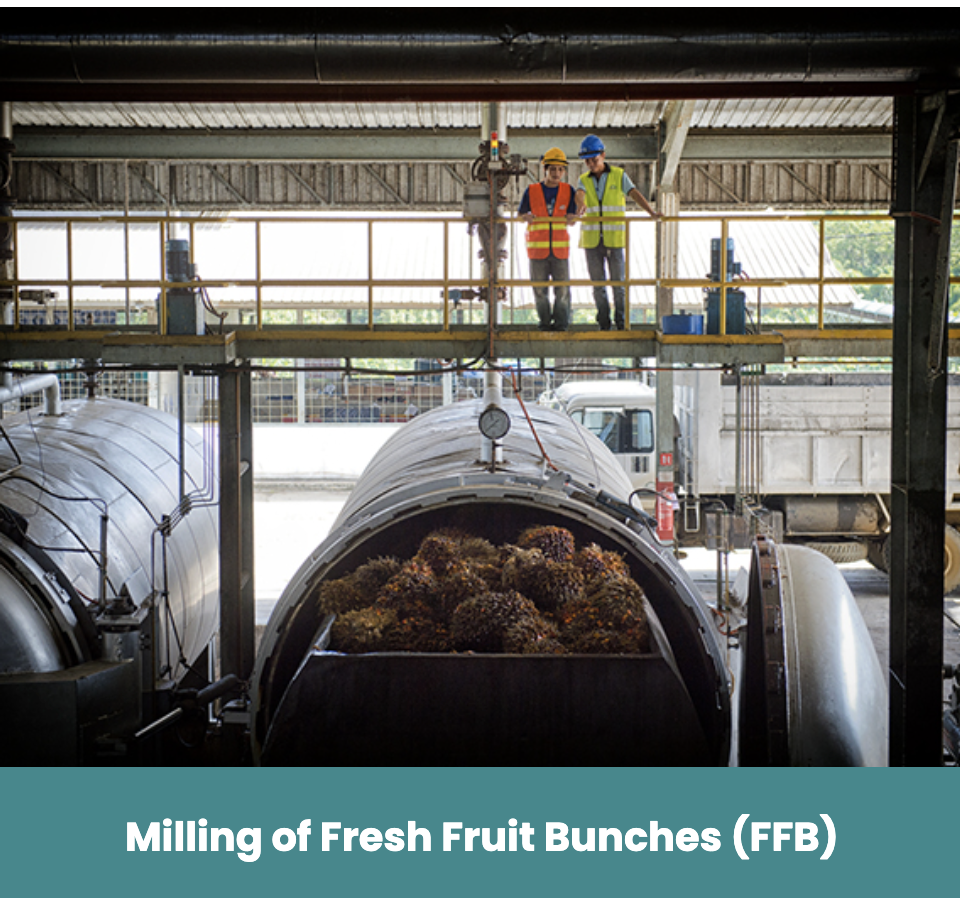
Milling of Fresh Fruit Bunches (FFB)
Milling of FFB takes place within 24 hours from the harvesting of FFB. FFB are first transferred to the palm oil mills for sterilisation by applying high-pressure steam, whereupon the palm fruits are enzyme-deactivated and separated from the palm bunches.
After steaming, the palm fruitlets are crushed in a pressing machine to obtain crude palm oil (CPO) and palm kernel. Waste and water is then cleared and separated from the CPO by means of a centrifuge. The cleared CPO emerging from the centrifuge is then sent for refining while the palm kernel nut is sent for crushing. The empty fruit bunches and liquid waste arising from the process are recycled as fertiliser in the plantations.
Sugar Milling
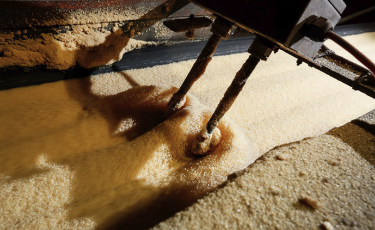
Our sugar brands are household names , The milling of sugar cane produces raw sugar and also by-products such as bagasse and molasses.
FARM
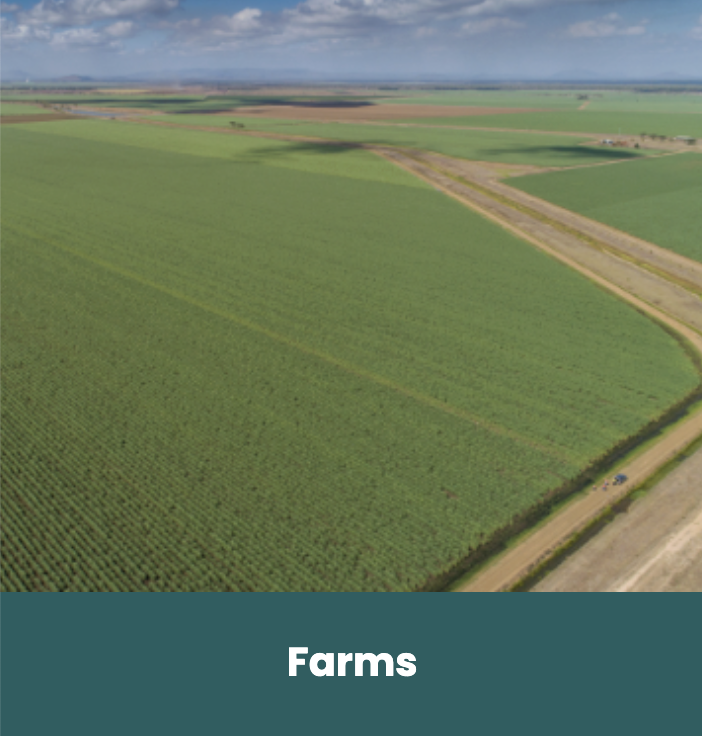
Our global, integrated sugar business includes cultivation of the crops that we process to produce raw sugar.
In Australia, we operate one of the country’s largest and most advanced sugarcane farming operations under best practice principles. Our farms span about 7,000 ha and produce more than half a million tonnes of sugarcane each year for supply to our mills.
Our modern farming operations in Myanmar are also some of the largest in the country. Covering around 1,000 ha, they enable us to assess the performance of new cane varieties and breed seed cane for release.
We invest heavily in innovation, research and development to improve cane farming practices on our own farms and across the broader sugar industry.
Ethanol
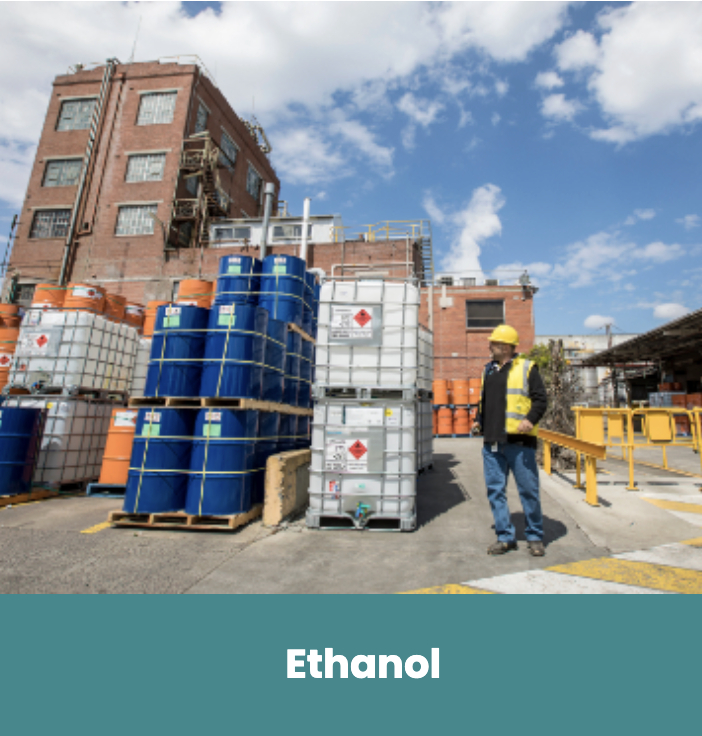
Our ethanol distilleries ferment molasses, a by-product of the raw sugar milling process, to turn into ethanol.
In India, we own 62% of Shree Renuka Sugars Limited (SRSL), the leading sugar company in the country. SRSL has a cane crushing capacity of 8.5 million MT per annum and ethanol distillery capacity of 1,250 kilolitres per day (as at 31 December 2022)
In Australia, our Wilmar BioEthanol business produces about 60 million litres and is also a leading producer and importer of ethanol products.
While the majority of Australian ethanol is supplied to the renewable fuel market, we supply a significant market share to various industries including the pharmaceutical, printing, cleaning, winery, aerosol, animal health and food and beverage industries. We also supply and trade in a range of industrial solvents and chemicals, specialty ingredients, non-sugar sweeteners, refrigeration brine and organic products.
Qulity & innovation drive our operations across the sugar supply chain
Congeneration
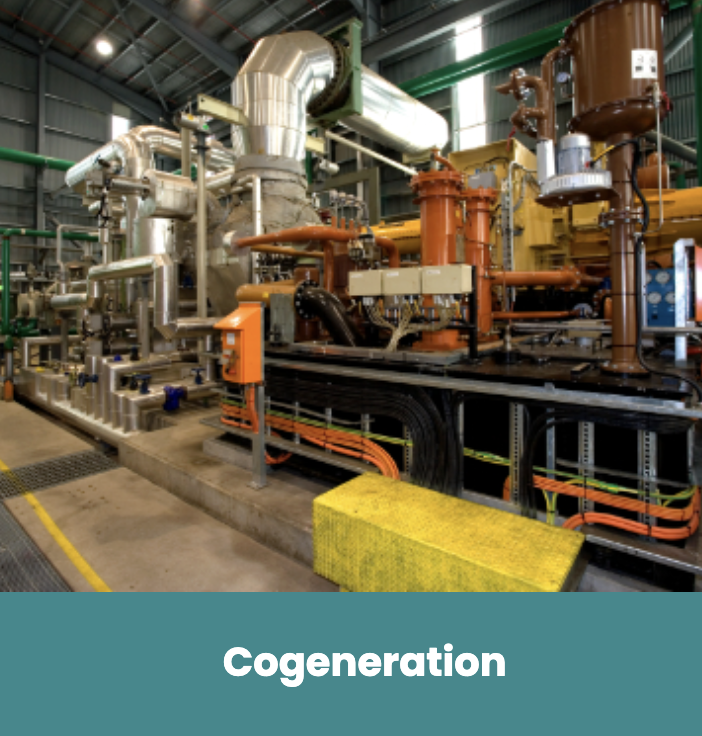
Producing renewable electricity is just one step in our commitment to maintain a responsible and sustainable sugar supply chain.
We recycle a biomass called bagasse, the fibre that is left over after sugarcane has been crushed, for use as boiler fuel at our mills. It is burned at temperatures of more than 800˚C to produce steam. The energy in this steam is either converted into electricity or used as heat in the factories. We create enough renewable electricity to power our mills and export significant quantities to local power grids.
In India our factories have a total generation capacity of 262 megawatts, exporting about 143 megawatts to the grid. In Australia, we are the largest producer of renewable energy from biomass, with a total generation capacity of 202 megawatts across our eight mills. Each year we export enough electricity to power more than 52,000 Australian homes.
Agricultural Products
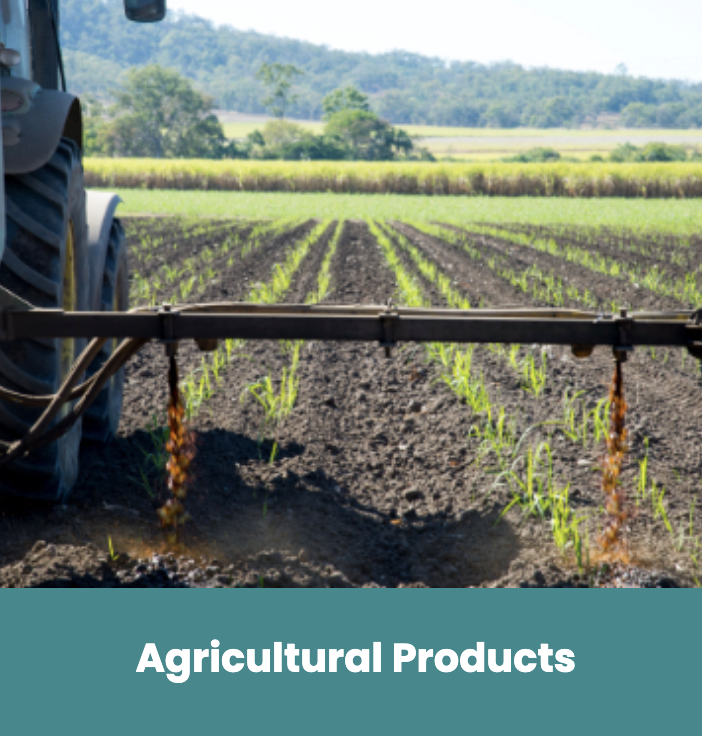
In Australia, we convert Bio Dunder®, a co-product of the ethanol distillation process, into a range of liquid fertilisers for sugarcane and other crops, as well as liquid stockfeed supplements for graziers. Our renewable agricultural products are backed by decades of research and development, and a commitment to improve environmental sustainability while optimising productivity and value for our customers.
